
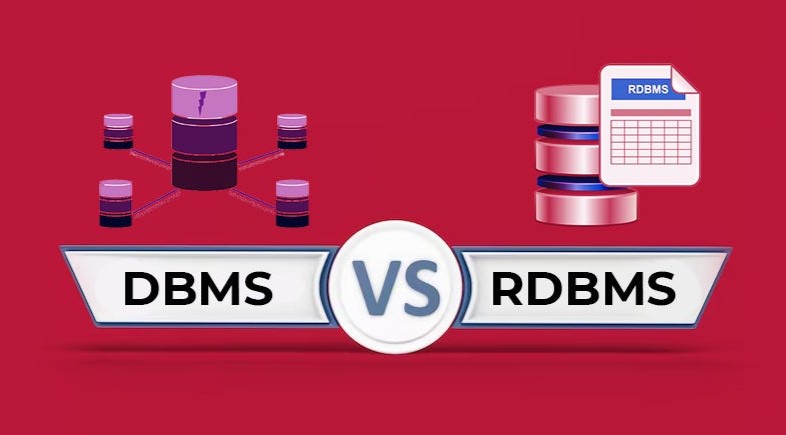
Difference Between DBMS, RDBMS, SQL,and NoSQL
When working with data, you’ll frequently encounter terms like DBMS, RDBMS, SQL, and NoSQL. While they’re interconnected, each represents a unique aspect of database technology.
SQL (Structured Query Language) is a standard language used to store, manage, and retrieve data in relational databases. It allows users to query, update, insert, and delete data efficiently.
When working with data, you’ll frequently encounter terms like DBMS, RDBMS, SQL, and NoSQL. While they’re interconnected, each represents a unique aspect of database technology.
Structured Query Language (SQL) is a fundamental tool for database management systems. SQL statements is essential for efficiently storing, retrieving, and manipulating data.

Recognizing the distinctions between legacy, historical, structured, and unstructured data empowers organizations to build more effective data strategies and maximize value.
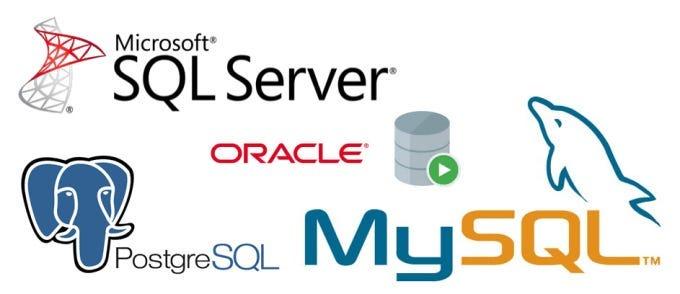
Different SQL database servers—like MySQL, PostgreSQL, SQL Server, and Oracle—offer unique features for managing data. Understanding their strengths helps you choose the right solution for reliable and scalable applications.